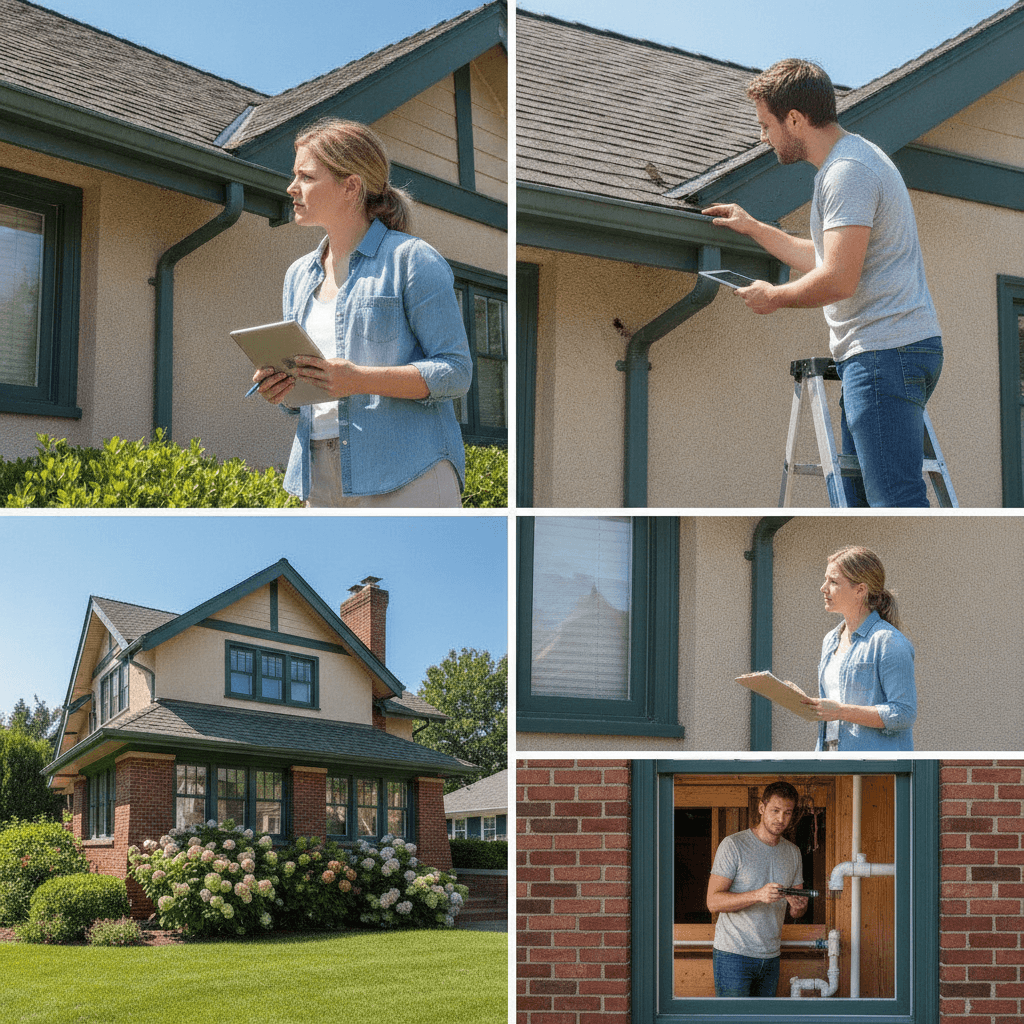
As a homeowner, I have learned that keeping a close eye on your property is one of the most important tasks you have. Regular visual inspections for homeowners are not just about finding big problems, they are about catching small issues before they become expensive disasters. It is easy to overlook minor details when life gets busy, but those details can tell you a lot about your home’s health.
I understand the feeling of being overwhelmed by home maintenance tasks. Many people think they need a professional for every little check. However, with a bit of knowledge and a keen eye, you can perform many essential visual inspections yourself. This proactive approach saves you money and gives you peace of mind.
I am here to guide you through the process, sharing practical tips and my own experiences to help you become a more confident and capable homeowner. We will explore key areas of your home and discuss what to look for during these important checks.
The Power of Proactive Visual Inspections for Homeowners
I always emphasize that being proactive about your home’s condition is far better than being reactive. Visual inspections for homeowners are your first line of defense against unexpected repairs. These checks involve systematically looking at different parts of your property for any signs of wear, damage, or potential issues. It is like giving your home a regular checkup to ensure everything is working as it should.
When I started doing my own inspections, I was surprised by how much I could spot. Small cracks in the foundation, a loose shingle on the roof, or a damp spot in the basement often signal bigger underlying problems. Addressing these small concerns quickly can prevent them from turning into major headaches that cost thousands to fix. I have seen firsthand how ignoring a minor leak can lead to extensive water damage and mold growth.
These inspections also help you understand your home better. You learn its quirks, its strong points, and areas that need more attention. This knowledge empowers you to make informed decisions about maintenance and upgrades. I believe every homeowner should feel confident in their ability to assess their property.
Think of it as an ongoing conversation with your home. You are listening to what it tells you through its appearance and functionality. This routine helps you stay on top of things. It builds a deeper connection with your living space too.
Why Regular Checks Save You Money
I have personally experienced the financial relief that comes from catching issues early. A small investment of time in visual inspections can save you significant money down the road. For example, replacing a few missing roof shingles is far cheaper than dealing with a leaking roof that damages your ceiling and walls.
Preventative maintenance extends the lifespan of your home’s components. When you regularly inspect and address minor wear, you delay the need for costly replacements. This approach is much more budget-friendly.
Also, many home insurance policies favor homeowners who demonstrate consistent maintenance. Early detection of issues can prevent claims that might otherwise increase your premiums. So, these inspections offer financial benefits beyond just repair savings.
Inspecting Your Home’s Exterior and Foundation
The exterior of your home takes the brunt of weather and time. It is important to inspect it thoroughly. I usually start with a walk around the perimeter, looking for anything out of place. This includes checking the siding, paint, trim, and windows.
Look for peeling paint, warped siding, or cracks that might let water in. I also check the caulking around windows and doors to ensure it is still sealed tight. Any gaps can lead to drafts and higher energy bills. I always make sure the ground around the foundation slopes away from the house to prevent water from pooling. Proper drainage is absolutely crucial for your home’s stability.
The foundation is perhaps the most critical part of your home to inspect. I carefully look for cracks in the concrete or brickwork. Hairline cracks are often normal, but larger, horizontal, or stair-step cracks can signal serious structural issues. I also pay attention to any signs of bowing or shifting.
I also inspect external vents, such as dryer vents, to make sure they are clear of debris. Clogged vents can be fire hazards so this is a critical check. My routine helps me catch potential problems before they escalate.
Roof and Gutters Visual Check
When it comes to the roof, I recommend using binoculars if you are not comfortable getting on a ladder. I look for missing, cracked, or curled shingles. These are all signs that your roof is nearing the end of its life or needs immediate repair. I also check for any visible signs of sagging, which could indicate structural damage.
Your gutters and downspouts play a vital role in directing water away from your foundation. I always make sure they are clear of leaves and debris. Clogged gutters can cause water to overflow and seep into your walls or foundation, leading to serious damage. I ensure downspouts extend several feet away from the house.
Looking Inside: Interior Visual Inspections
The interior of your home requires just as much attention as the exterior. I walk through each room, systematically checking walls, ceilings, and floors. Look for water stains, mold growth, or unusual cracks. Water stains on ceilings often point to roof leaks or plumbing issues upstairs. These need to be investigated right away.
I also test all windows and doors to ensure they open and close smoothly. Drafts around these openings can significantly impact your energy efficiency, so I check for those as well. I test smoke detectors and carbon monoxide detectors to make sure they are working properly. This is a non-negotiable safety check I do every few months.
I inspect under sinks and around toilets for any signs of leaks or moisture. Even small drips can cause big problems over time. I check the caulk and grout in bathrooms and kitchens for cracks or deterioration, because these gaps allow water to penetrate and cause damage.
I also make sure electrical outlets and switches are functional and not showing signs of charring or buzzing noises. Any flickering lights or circuits that frequently trip should be looked into by an electrician. My thorough approach helps me keep everything in good order.
Basement and Attic Scrutiny
Basements and attics are often overlooked but can reveal significant issues. In the basement, I look for signs of water intrusion, dampness, or musty odors. Cracks in basement walls, efflorescence on concrete, or pooling water are all red flags. I make sure the sump pump works if you have one. This is key for flood prevention.
The attic needs attention for proper insulation and ventilation. I check for any signs of leaks on the underside of the roof deck. I look for animal nesting and proper airflow. Adequate ventilation prevents moisture buildup and keeps your home more energy efficient. I also check insulation levels to ensure they meet recommended standards.
Understanding Your Home’s Systems
Your home’s mechanical systems keep everything running smoothly. These include plumbing, electrical, and HVAC. I make sure to include these in my visual inspections for homeowners. Checking these systems can feel intimidating, but many aspects are easy to observe.
For plumbing, I listen for strange noises in pipes or toilets that run continuously. These can indicate leaks or other issues. I also check water pressure at various faucets. A sudden drop in pressure might suggest a problem in your main line or a clogged pipe. I inspect all visible pipes for corrosion or leaks.
The electrical system needs a visual check too. I look for overloaded outlets, frayed wires, or scorch marks on receptacles. These are serious fire hazards. If you notice any circuit breakers tripping often, it means there is an issue that needs professional attention. I also check that all lights and appliances work correctly.
Your HVAC system is crucial for comfort and air quality. I inspect the outdoor unit for debris and ensure the condenser coils are clean. Inside, I check the air filter monthly and replace it as needed. A dirty filter restricts airflow and makes the system work harder, wasting energy. I also listen for unusual sounds from the furnace or air conditioner. If you are noticing issues like strange noises or weak airflow, it could be signs your AC needs repair.
I always check the water heater for any leaks around its base or connections. I look for signs of rust on the tank. These could indicate it is nearing the end of its service life. I also check the pressure relief valve to ensure it is not corroded.
Testing Appliances and Fixtures
I also make sure to test major appliances and fixtures. This includes running water in sinks and showers to check for drainage and leaks. I flush toilets to confirm proper operation and check for leaks at the base. I look for any unusual sounds or smells coming from your refrigerator, dishwasher, or washing machine.
Checking these items helps catch minor issues before they become major appliance failures. A faulty appliance can cause water damage or even electrical problems. Keeping an eye on these helps maintain your daily routine. I find this simple step can really prevent frustrations.
Seasonal Visual Inspections for Homeowners
Different seasons bring different challenges and vulnerabilities to your home. I adapt my visual inspections for homeowners based on the time of year. Each season offers a unique opportunity to catch specific problems and prepare your home for the next set of conditions.
In spring, after the winter thaw, I focus on water damage. I check the foundation for new cracks from freezing and thawing cycles. I inspect the roof and gutters for any winter damage like loose shingles or ice dam issues. This is also a good time to check exterior paint and siding for any signs of wear from winter weather. I clear away any debris that accumulated over winter. Spring is also ideal for inspecting your outdoor spigots for leaks caused by freezing.
Summer means checking your cooling system and protecting against pests. I clean air conditioning units thoroughly and ensure clear ventilation. I look for wasp nests or ant trails entering the house. I also check decks and patios for loose boards or structural issues that might have appeared over the colder months. I prune trees and shrubs away from the house to prevent damage and pest access.
Fall is all about preparing for winter. I clean gutters one last time before the leaves fall completely. I check windows and doors for drafts and seal any gaps with caulk or weatherstripping. I inspect the heating system filters and make sure the furnace is ready for heavy use. I also cover or drain outdoor pipes and turn off exterior water to prevent freezing. This preparation is very important.
Winter Checks and Precautions
Winter inspections focus on warmth and safety. I watch for ice dams forming on the roof and eaves, which can cause water to back up under shingles. Inside, I check for cold spots or drafts near windows and doors. I also monitor humidity levels to prevent moisture buildup that can lead to mold or condensation issues. I make sure all heating vents are clear and unobstructed for proper airflow. Keeping an eye on these things prevents uncomfortable and potentially damaging winter issues.
The Long-Term Benefits of Regular Checks
I have seen that the effort put into regular visual inspections for homeowners pays off in many ways beyond immediate savings. It contributes to the overall longevity and value of your property. A well-maintained home is a happy home and a valuable asset. When you consistently perform these checks, you create a detailed history of your home’s condition. This information is incredibly useful for future repairs or renovations.
Knowing your home intimately allows you to make smart decisions about improvements. You can prioritize repairs that add the most value or prevent the most damage. I have found that this knowledge also empowers me during discussions with contractors. I feel more confident when I understand the specific issues and what needs to be done. It prevents me from being oversold on unnecessary services.
Regular inspections also promote a safer living environment. Catching electrical issues, potential fire hazards, or structural weaknesses ensures that your home remains a secure place for your family. I always prioritize safety. This peace of mind is truly priceless. It makes homeownership much less stressful. These checks boost your home’s curb appeal and market value.
Taking Action After Your Visual Inspection
Performing visual inspections for homeowners is an important step, but taking action on what you find is just as vital. Once I complete an inspection, I always make a list of any issues I discovered. I categorize them by urgency, deciding what needs immediate attention and what can wait a bit longer. Small fixes like sealing a drafty window or cleaning gutters I handle myself right away.
For bigger problems such as significant foundation cracks or major plumbing leaks, I know it is time to call a professional. I seek out qualified and reputable contractors for these tasks. I always get multiple quotes and ask for references. This ensures I get quality work at a fair price. My goal is always to address issues thoroughly so they do not reappear.
I keep detailed records of all my inspections and any repairs or maintenance work done. This includes dates descriptions and costs. These records are helpful for tracking your home’s health over time and can be valuable if you ever decide to sell your property. Being a diligent homeowner takes effort, but the benefits of a safe sound and well-maintained home are immense. I encourage you to embrace this practice and protect your investment.