I have always appreciated the sturdy feel of well-made wooden furniture. Our homes often hold pieces passed down through generations or cherished finds that bring comfort and style. But over time even the most robust wooden frames can begin to show their age, losing that solid feel and developing a dreaded wobble. This happens to everyone.
You might notice a favorite armchair creaking a bit more with each sit or a dining chair feeling less secure. Ignoring these early signs can lead to bigger problems, making the furniture unusable or even unsafe. I have learned that taking proactive steps to stabilize weakened wooden furniture frames not only extends their life but also preserves their character and functionality.
This guide will walk you through understanding why frames weaken, what tools you need, and how to tackle these repairs with confidence. You can bring back the stability and joy your furniture once offered. I am happy to share my experience with you.
Understanding Why Wooden Furniture Frames Weaken
Wooden furniture frames weaken for a mix of reasons. Age is a big one. Over many years, the wood can dry out, shrinking slightly and loosening the joints. This natural process is inevitable for older pieces. Constant use also contributes to wear and tear. A chair that sees daily use will naturally experience more stress than a decorative table.
Moisture and humidity changes can really damage wood. When wood absorbs moisture, it swells. When it dries out, it contracts. These cycles weaken glue joints and can even crack the wood itself. I once had an old cedar chest that developed loose panels because of changing humidity levels in my home. It became quite an educational experience.
Poor construction is another common factor. Some furniture pieces are not built with high-quality joinery or strong adhesives from the start. This makes them more prone to weakening sooner than well-crafted items. Fasteners can also loosen, leading to unstable connections and frustrating wobbles. Addressing these issues early prevents further damage.
Signs of a Weakened Frame
Recognizing the early warning signs of a weakened frame helps you act quickly. The most obvious sign is a persistent wobble or sway when the furniture is moved or used. You might hear creaking or groaning sounds coming from the joints, especially when weight is applied. I know that familiar sound all too well.
Another clear indicator is visible gaps at the joints where wooden pieces meet. You might see cracks in the wood around the joints or loose dowels and screws. If upholstery feels softer or sags in certain areas, it could be a sign of underlying frame issues too. Trust your instincts on these things.
It is important to regularly check your furniture for these problems. A quick inspection now and then can save you a lot of headache and expense later on. I make it a habit to give my chairs and tables a gentle shake every few months just to be sure.
Common Culprits for Damage
Several factors actively contribute to wooden furniture frame damage. Beyond age and construction, how we use and care for our furniture plays a huge role. For example, dragging furniture across the floor can put immense stress on leg joints, causing them to loosen quickly. Always lift your pieces rather than sliding them.
Sudden impacts or drops also inflict immediate damage. Moving accidents are notorious for breaking furniture frames. Even heavy objects placed on top of weaker shelves or tabletops can strain the underlying structure over time. Environmental factors, like direct sunlight or close proximity to heat sources, can accelerate wood drying and cracking. Keep an eye on your furniture’s surroundings.
Infestations from pests, like termites or wood-boring beetles, can also compromise a frame’s integrity from the inside out. Regularly cleaning and dusting your furniture allows you to spot these issues before they become critical. I always recommend a thorough check when bringing any new wooden item into your home.
Essential Tools and Materials for Frame Stabilization
Before you dive into repairs, gathering the right tools and materials is crucial. Having everything on hand makes the process smoother and more efficient. I have learned that a well-prepared workspace prevents frustration and encourages better results. You do not want to stop in the middle of a repair because you are missing a small item.
The core of most frame repairs involves re-gluing loosened joints and sometimes adding extra reinforcement. A good quality wood glue is your best friend here. Clamps are also indispensable for holding pieces together while the glue dries. Without proper clamping pressure, even the strongest glue will fail to create a lasting bond. I always make sure my clamps are within reach.
Safety is also paramount. Wear appropriate eye protection and gloves when working with glues or tools. A clean workspace ensures no dirt or debris gets into your freshly glued joints. Take your time to organize your tools beforehand and you will thank yourself later for it. Preparation is key for any project.
Gathering Your Repair Kit
Here is a list of items I find essential for stabilizing most weakened wooden furniture frames:
- Wood Glue: Choose a strong, reliable wood glue that is suitable for furniture repair. Yellow wood glue is often a good all-around choice.
- Wood Clamps: Assorted sizes of bar clamps or pipe clamps are helpful. You might also need smaller C-clamps.
- Rubber Mallet: For gently tapping joints apart or back together without causing damage.
- Scrapers and Chisels: To remove old, dried glue from joints.
- Sandpaper: Fine-grit sandpaper (around 120-220 grit) for preparing surfaces.
- Clean Rags: For wiping away excess glue and cleaning surfaces.
- Screwdriver Set: If your furniture uses screws, have a good set on hand.
- Drill and Drill Bits: For pilot holes or adding new fasteners.
- Wooden Dowels or Biscuits: For reinforcing weak joints, if needed.
- Corner Braces or Metal Reinforcement Plates: For added strength on some joints.
- Epoxy (optional): For filling larger gaps or repairing severely damaged areas.
Having these items ready before you start will simplify the entire repair process. I usually lay everything out on a workbench so I can easily grab what I need as I go. This makes a big difference in how smoothly a project runs. Do not underestimate the power of being organized.
Step-by-Step Guide to Stabilize Weakened Wooden Furniture Frames
The process of stabilizing a weakened wooden furniture frame often involves careful disassembly, thorough cleaning, and then reassembly with fresh, strong adhesive. I approach each piece with patience and a methodical mindset. Rushing these steps can lead to further damage or a less durable repair. I always remember the saying, “measure twice, cut once.”
First, identify all the loose joints. Sometimes it is obvious but other times you might need to gently wiggle each leg or component to find the source of the instability. Mark these areas with painter’s tape or a pencil so you do not forget. This helps keep you focused and prevents missing any weak points in the frame. I find this step very helpful.
If possible, work in a clear, well-lit area. Lay down a drop cloth or old blankets to protect your floor and the furniture piece itself. This also helps catch any small parts that might come loose during disassembly. Keeping track of hardware is very important, so have small containers ready for screws, bolts, and washers. Little details make a big impact.
Disassembly and Inspection
Carefully begin to take apart the furniture piece. If it is a chair, you might need to remove cushions or upholstery first. Work slowly, applying gentle pressure. A rubber mallet can help tap stubborn joints apart without marring the wood. Pay close attention to how each piece connects and make notes or take photos if you think you might forget the order. This is a vital step.
Once disassembled, inspect each joint thoroughly. You will likely find old, dried glue that has become brittle and lost its adhesive power. Use a scraper or a chisel to carefully remove all traces of this old glue. Fresh wood glue needs clean, bare wood to bond effectively. Sanding the joint surfaces lightly with fine-grit sandpaper also helps create a better surface for adhesion. I spend extra time here.
Check for any cracks or damage in the wood components themselves. Small cracks can sometimes be filled with wood glue. If a dowel is broken or missing, you will need to replace it. This inspection phase is crucial because it tells you exactly what needs fixing and how. A thorough check saves you from doing the work again later.
Re-gluing and Reinforcement Techniques
Now comes the re-gluing. Apply a generous but not excessive amount of wood glue to all mating surfaces of the joints. Make sure the glue covers both sides that will touch. Reassemble the frame components, aligning everything precisely. Use your rubber mallet to gently tap pieces into place, ensuring a tight fit. You should see a little glue squeeze out from the joints, which is a good sign of full coverage.
Once the pieces are together, apply clamps to hold the joints tightly while the glue dries. Use enough clamps to apply even pressure across all repaired joints. Wipe away any excess glue with a damp cloth immediately, before it dries. Dried glue can be hard to remove and can affect the finish. Allow the glue to cure completely, usually 24 hours or more, according to the manufacturer’s instructions. Patience is a virtue in this work.
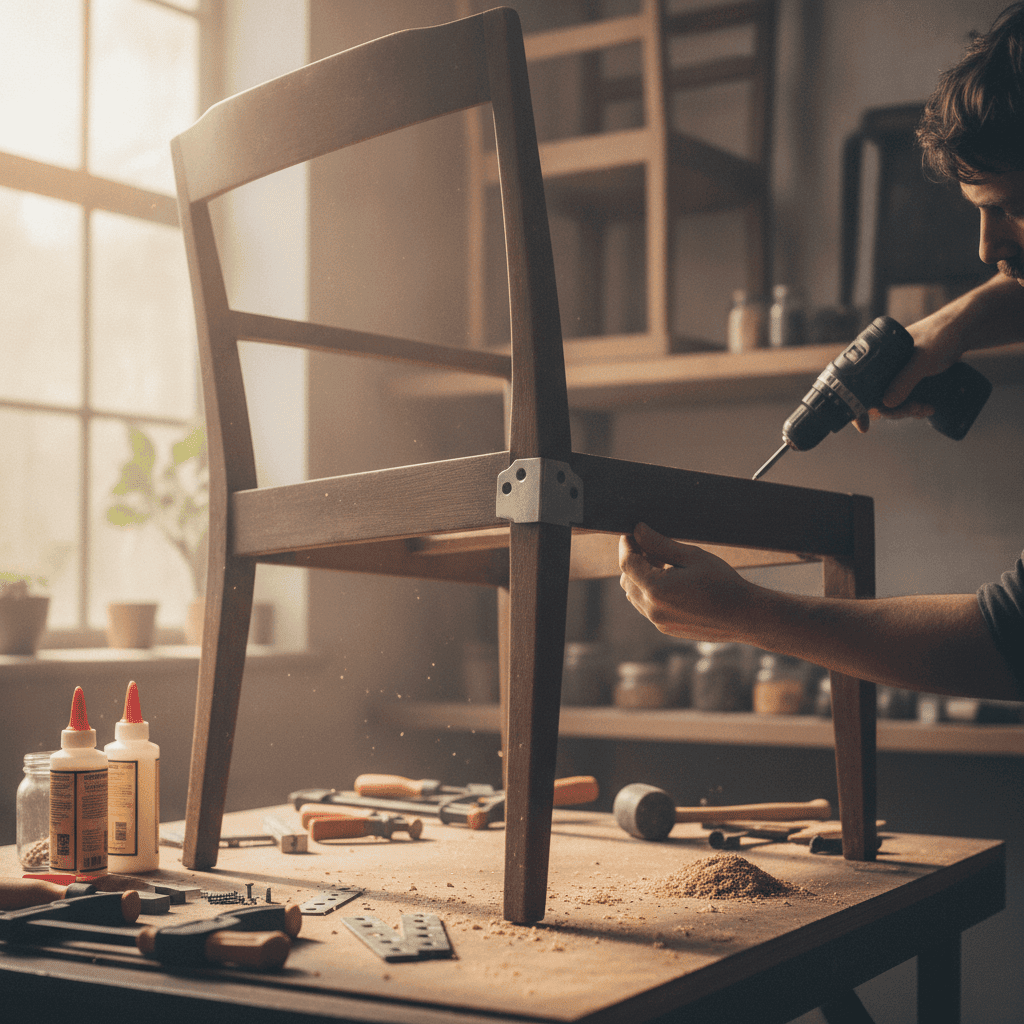
For extra stability, especially on chairs or sofas, consider adding corner blocks or metal reinforcement plates to critical joints. These add a mechanical advantage that glue alone sometimes does not provide. Screw these reinforcements securely into place. This can make a weak point much stronger. If you are dealing with very old or severely damaged furniture, sometimes DIY repairs might not be enough. In such cases, professional repair services can handle more complex structural problems. You can learn more here: https://azcouchcare.com/services/broken-furniture-frame-repair-in-phoenix-az/.
Advanced Techniques and When to Seek Professional Help
While many common frame issues can be addressed with basic DIY methods, some situations call for more advanced techniques or professional intervention. For instance, if a joint relies on a mortise and tenon connection and the tenon itself is split or broken, a simple re-glue might not be sufficient. Repairing these requires woodworking skills and tools like chisels and saws to create new, strong connections. I have tackled a few of these, and they require a lot of focus and precision.
When entire sections of a frame are rotted, splintered, or missing, patching with wood filler or epoxy might be a temporary fix. However, for a truly durable repair, those sections might need to be replaced with new wood. This often involves precise cutting, shaping, and joinery, which can be challenging for an amateur. Knowing your limits is important. I always suggest seeking expert advice when you feel a repair is beyond your current skill set.
Sometimes, the value of the furniture piece—either sentimental or monetary—justifies bringing in a professional. They can offer services like complete frame reconstruction, specialized wood welding, or even upholstery repair that integrates seamlessly with frame work. Professionals have the experience to diagnose hidden issues and perform repairs that last. It is a wise investment for important pieces. Do not hesitate to consult an expert if the damage seems too extensive or complicated for you to handle alone.
Preventative Measures to Keep Your Furniture Strong
Preventing weakened wooden furniture frames is much easier than repairing them. I believe in a proactive approach to furniture care. Regular maintenance and mindful use can significantly extend the life and stability of your favorite pieces. Small efforts over time yield big results. It is like taking care of anything valuable in your home.
Start with simple, consistent checks. Every few months, give your chairs, tables, and sofas a gentle wiggle. If you notice any slight looseness, tighten screws or apply a small amount of wood glue to visible gaps before they become major problems. This quick action can prevent the joint from completely failing. It really works wonders.
Consider the environment where your furniture lives. Extreme temperature changes and humidity fluctuations are not friends to wood. Using a humidifier or dehumidifier can help maintain a stable environment, especially for antique or heirloom pieces. Keep furniture away from direct sunlight, heating vents, and fireplaces. These can dry out wood and cause it to crack. Proper placement makes a big difference in the long run.
Finally, always lift furniture when moving it, rather than dragging. Dragging puts immense strain on leg joints and can quickly loosen them. Use felt pads under furniture feet to protect floors and reduce friction if you need to slide items short distances. Rotating where furniture is used can also help distribute wear evenly over time. These simple habits add years to your furniture’s life. I have seen it happen many times.
Final Thoughts on Furniture Frame Restoration
Taking the time to stabilize weakened wooden furniture frames is a rewarding process. It is about more than just fixing something broken. It is about preserving the memories and character embedded in each piece. I have always found a deep satisfaction in bringing a wobbly chair back to its former glory. This work not only enhances the item’s functionality but also its aesthetic appeal, making it a proud part of your home once more. Do not let minor issues turn into major losses.
By understanding the causes of weakness and having the right tools, you can confidently tackle many common repairs yourself. Remember that patience and precision are your most valuable assets throughout this process. Every step, from careful disassembly to thorough re-gluing, contributes to the longevity of your furniture. You are extending its story.
However, do not shy away from seeking professional help for more complex or valuable items. Experts have specialized knowledge and equipment to ensure a perfect restoration. Invest in the care of your wooden furniture. It is an investment in your home’s comfort and beauty. Start your next repair project soon and enjoy the lasting results of your efforts.