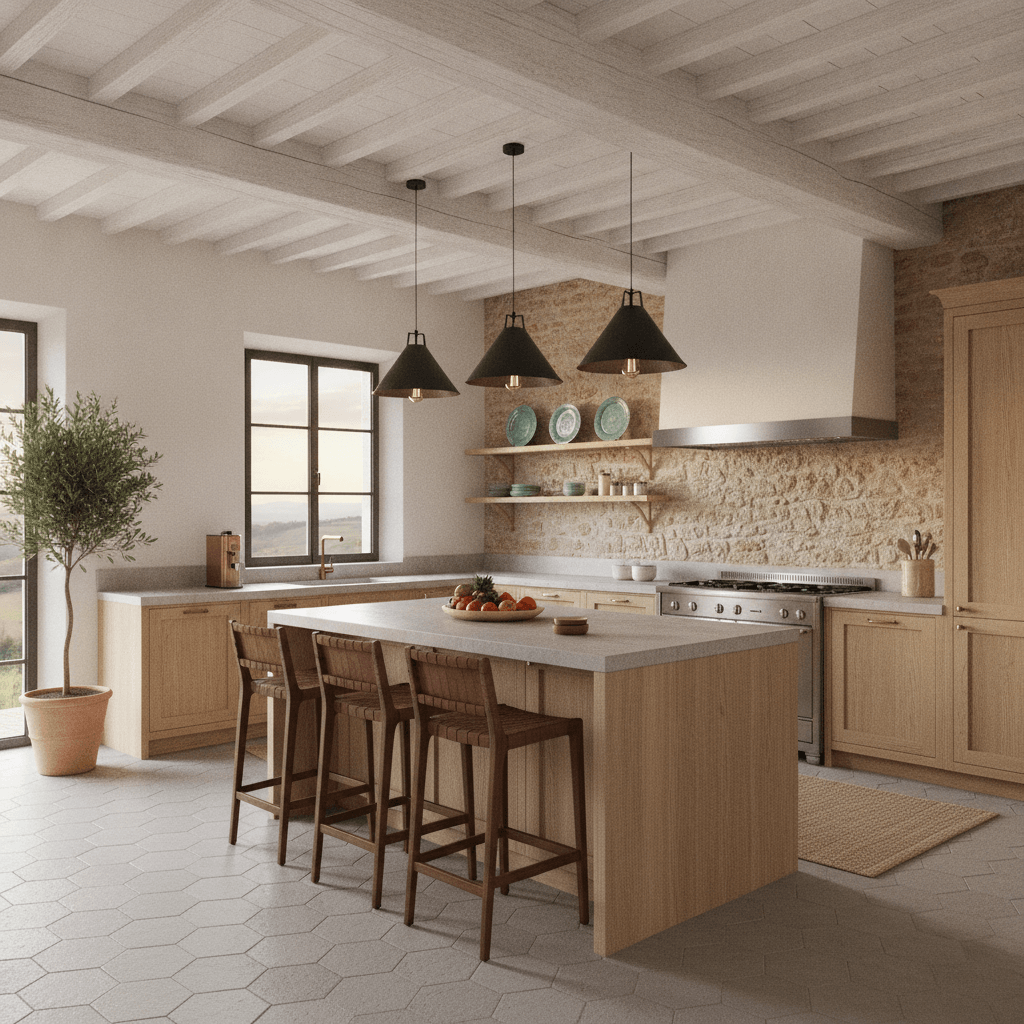
I have always loved the timeless appeal of a Tuscan kitchen. It feels like a warm embrace, full of character and old world charm. People often picture distressed wood, wrought iron, and rich, earthy tones when they think of this style. But tastes change and living needs evolve. So a kitchen that once felt perfect might start to look a little dated today.
The good news is that you do not have to abandon that cherished Tuscan feel. You can absolutely refresh these spaces to fit contemporary living. I believe we can blend the rustic beauty of Tuscany with the sleek functionality and brightness of modern design. It is all about making smart choices that honor the original spirit while bringing it firmly into today.
This approach allows your kitchen to retain its heart but gain a fresh breath of life. I will share my insights on how to achieve this balance. It is a rewarding project for any homeowner looking to Revitalize Your Tuscan Kitchen for Todays Style.
Embracing a Lighter Color Palette for a Fresh Look
Traditional Tuscan kitchens are famous for their deep, warm colors. Think terra cotta, ochre, rich olive greens, and deep reds. These hues create a cozy, cave-like atmosphere which many people find comforting. However, these same colors can make a space feel heavy or small in a modern home. Today’s style often leans toward lighter, more open aesthetics.
I recommend shifting to a brighter color palette while keeping the underlying warmth. You can opt for soft creams, muted grays, or even light blues. These colors instantly open up the kitchen and make it feel more expansive. They reflect light better, so the space appears larger and more inviting. This change can be quite dramatic for the overall feel of your home.
The key is to select shades that complement the existing Tuscan elements you want to keep. You do not want to remove all the character. Instead, you want to create a harmonious blend. Imagine creamy white walls paired with your existing dark wood beams. This combination highlights the rustic features without making the room feel dim.
Choosing Wall and Cabinet Colors
When I choose wall colors for a Tuscan revival project, I often look for shades that have warm undertones. A soft beige or a light greige works beautifully. These colors prevent the room from feeling stark or cold. They offer a neutral canvas that still feels inviting.
For cabinets, painting them a lighter color can be one of the most impactful changes. I often suggest shades like off-white, light gray, or even a soft sage green. This lightens the entire kitchen considerably. If you have solid wood cabinets that you love, consider just painting the upper ones and leaving the lower ones natural or a darker complementary shade. This creates visual interest and maintains some of that traditional grounding.
Incorporating Natural Light
Maximizing natural light is crucial for a modern Tuscan kitchen. Heavy window treatments might block out valuable sunlight. I usually recommend lighter fabrics or simple blinds that can be fully opened. If possible, consider expanding windows or adding a skylight. More natural light enhances the new, lighter color scheme. It also makes the kitchen a more pleasant place to spend time.
Modernizing Materials Without Losing Character
Authentic Tuscan design relies on specific materials that evoke the Italian countryside. Rough-hewn wood, natural stone, and ceramic tiles are staples. While beautiful, some of these materials can feel dated or impractical for today’s busy households. I believe we can update these elements while keeping the soul of the style.
Updating surfaces like countertops and flooring offers a big opportunity. You can introduce materials that are both durable and aesthetically current. This balances the rustic charm with modern convenience. It also ensures your kitchen stands up to daily wear and tear.
Sometimes, a simple swap can make all the difference. I find that homeowners are often surprised by how much new materials can enhance an old space. You get the best of both worlds.
Updating Countertops
I often advise clients to replace busy, patterned tile countertops with something smoother and more streamlined. Quartz or light-colored granite are excellent choices. They offer a clean look and are very practical for cooking and cleaning. A white or light gray quartz countertop provides a fresh contrast to rustic wooden cabinetry.
Even a polished concrete countertop can work well. It offers an industrial edge that can surprisingly complement a softened Tuscan aesthetic. I find that it provides a durable and unique surface.
Flooring Choices for Today
Traditional terra cotta tiles are lovely but can sometimes make a kitchen feel dark and uneven. I suggest looking at large format porcelain tiles in lighter, neutral tones. These tiles can mimic natural stone without the maintenance. They also create a more seamless look because of fewer grout lines.
For those who prefer wood, engineered hardwood in a wider plank and a natural finish can be stunning. It brings warmth and elegance. It also holds up well to kitchen traffic.
Integrating Smart Technology and Appliances Seamlessly
The challenge with integrating modern technology into a rustic Tuscan kitchen is making it feel natural. You do not want a gleaming stainless steel refrigerator to clash with distressed cabinetry. I have found that careful planning can hide most of these modern conveniences. This preserves the classic aesthetic while providing all the benefits of smart home technology.
Modern appliances offer incredible efficiency and convenience. You can find ovens that connect to your phone or dishwashers that run almost silently. These features make daily life much easier. The goal is to incorporate them so they enhance the kitchen without dominating its design.
I always emphasize thoughtful placement and concealment. It makes a huge difference. Your guests should notice the beautiful design, not the smart home hub.
Designing for Function and Flow
Panel-ready appliances are a fantastic solution. I frequently recommend refrigerators, dishwashers, and even microwaves that can be fitted with custom panels. These panels match your cabinetry, making the appliances disappear into the background. This creates a cohesive and unbroken line of design.
Under-cabinet lighting, for example, is essential for a functional kitchen. It illuminates your workspace effectively. Many modern options are LED strips that are barely visible. Smart faucets that respond to touch or voice commands also offer convenience without an overt tech look. I also think about induction cooktops. They offer precise cooking and a very sleek surface.
Hidden charging stations for devices are another great addition. You can integrate them into drawers or pantry cabinets. This keeps countertops clear and organized. These small details contribute to a much more functional and tidy kitchen space.
Enhancing Functionality with Updated Layouts and Storage
Tuscan kitchens often had a more segmented, perhaps less efficient layout compared to today’s open concept homes. Modern living demands kitchens that are highly functional, with clear pathways and ample storage. I find that re-evaluating the layout can significantly improve the usability of the space.
We want a kitchen that works for cooking, entertaining, and daily life. This means thinking about the work triangle and making sure everything is easily accessible. You can make subtle changes that have a big impact on flow.
Sometimes, simply adjusting where things are placed changes everything. If you want to explore kitchen trends, you will see that efficiency is always a top priority for designers.
Optimizing Storage Solutions
Cluttered countertops detract from any kitchen style, especially one trying to achieve a refreshed look. I often integrate smart storage solutions into my designs. Pull-out pantries, deep drawers with organizers, and corner storage units are all practical options. These elements maximize space and keep things tidy.
Consider open shelving in moderation. A few rustic wooden shelves can display beautiful pottery or cookbooks, adding to the Tuscan charm. But too many can look messy. I balance open shelves with closed cabinets for a cleaner appearance.
Designing a Modern Island
A kitchen island is a central feature in many modern kitchens. If your Tuscan kitchen lacks one, consider adding a new island. It can serve multiple purposes. A large island provides extra counter space for meal prep. It can also include seating for casual dining.
You might incorporate a wine fridge or a microwave drawer into the island. This keeps appliances out of sight. A contrasting countertop on the island can add a contemporary touch while complementing the main counters.
Lighting Solutions That Blend Warmth and Brightness
Lighting is a critical element often overlooked in kitchen design. In a Tuscan kitchen, the right lighting can emphasize its warmth while adding necessary brightness for modern tasks. I always advocate for a layered lighting scheme. This means using different types of light fixtures to achieve both ambiance and functionality.
Good lighting transforms a space. It can make a small kitchen feel larger or a dark corner feel more inviting. I have found that careful planning here pays off in a big way. You get a kitchen that is beautiful and also highly practical.
This balance is what truly revitalizes the space. It moves beyond just a pretty kitchen to one that feels truly livable.
Mixing Decorative and Task Lighting
I typically start with general ambient lighting. Recessed LED lights provide widespread illumination without being visually intrusive. They offer a clean, even light throughout the room. Dimmers are a must for these lights so you can adjust the mood.
Task lighting is essential for workspaces. Under-cabinet lighting ensures that your countertops are well-lit for cooking and chopping. I also like pendant lights over an island or breakfast bar. They add a decorative touch and provide focused light. Choose pendants with a touch of wrought iron or an antique brass finish to tie into the Tuscan aesthetic.
Energy-Efficient Options
Modern lighting systems are also much more energy-efficient. LED bulbs last longer and consume less electricity. This is a smart upgrade for any home. I always look for fixtures that offer both style and efficiency.
Adding natural light is also a huge part of this. Big windows or even a glass door can let in a lot of sunshine. This reduces the need for artificial light during the day. It also connects your kitchen to the outdoors, which is a lovely touch.
Adding Contemporary Flair Through Decor and Accessories
The final touches in any kitchen revitalization come down to decor and accessories. These small details can make a big impact on the overall feel. For a Tuscan kitchen, you want to choose items that bridge the gap between old-world charm and today’s clean lines. I suggest thinking about how each piece contributes to the new, balanced aesthetic.
You do not need to replace everything. Sometimes, just swapping out a few key items can change the entire personality of the room. It is about being selective and intentional.
I find that the most successful designs blend elements rather than completely overhauling them. This keeps the history alive.
Balancing Rustic Decor with Modern Elements
Keep some of your favorite rustic pieces. A large wooden bread bowl or a collection of ceramic pitchers can still feel right at home. But pair them with more minimalist items. For instance, a sleek glass vase with fresh greenery can sit alongside a traditional olive oil dispenser. This creates an interesting dialogue between styles.
Avoid excessive clutter. A few well-chosen pieces are always better than many small ones. I also like to use fresh herbs in terracotta pots on windowsills. This brings in natural elements and a touch of color.
Metallic Accents and Art
Introduce metallic accents in contemporary finishes. Brushed nickel or matte black hardware on cabinets can instantly modernize the look. You can also add modern light fixtures with a clean metallic finish. This provides a subtle contrast to the warmer tones of wood and stone.
Consider adding a piece of contemporary art to a wall. A large abstract painting can create a focal point and introduce new colors into the space. This is a bold move that can truly elevate the kitchen. It shows that you are not afraid to mix styles.
Revitalize Your Tuscan Kitchen for Todays Style: A Concluding Thought
Taking on the project to Revitalize Your Tuscan Kitchen for Todays Style is a rewarding journey. I have seen firsthand how these updates can transform a beloved but outdated space into a hub of modern living. It is all about finding that sweet spot where rustic warmth meets contemporary elegance. We achieve this through careful choices in color, materials, technology, and decor. The goal is to honor the heritage of Tuscan design while ensuring your kitchen functions beautifully for your life right now. I believe that a truly successful kitchen blends comfort with cutting edge features. It should feel both inviting and efficient. So whether you are considering a small refresh or a major overhaul, remember that every change contributes to a more harmonious and personalized space. I encourage you to embrace these ideas and create a kitchen that you will love for many years to come. Start planning your kitchen’s revitalization today.