
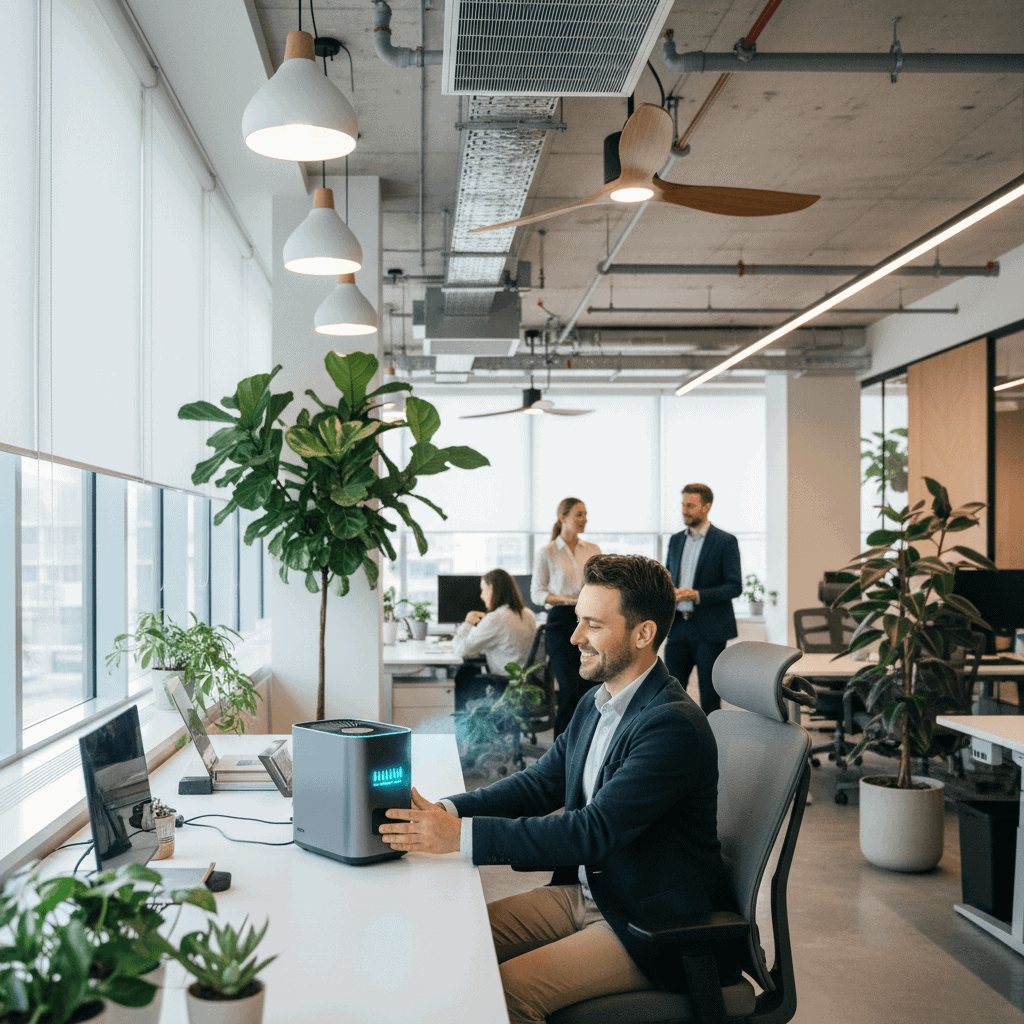
I have spent a lot of time thinking about how our workspaces affect us every day. We often focus on big projects and deadlines but forget about the subtle things that really shape our experience. One of those critical elements is the blend of workplace comfort and air quality standards. These two factors are much more connected than many people realize.
Creating a good workspace goes beyond just comfortable chairs or decent lighting. It dives deep into the very air we breathe and the overall atmosphere that surrounds us for hours on end. When these aspects are overlooked, it can silently chip away at our health and our ability to do our best work.
I believe that understanding and actively managing indoor air quality and general comfort levels is not just a nice-to-have. It is a fundamental part of a thriving and productive environment. I want to share my insights on why this matters so much and how we can all work towards better standards.
The Undeniable Impact of Poor Indoor Air Quality
Bad air in our offices and workplaces does more than just make us feel a little stuffy. It has a real and measurable effect on our health and performance. I have seen firsthand how a poorly ventilated space can lead to a string of complaints from employees. They report headaches, fatigue, and even increased allergy symptoms. This is not just anecdotal. Research consistently shows a clear link between poor indoor air quality and various health issues.
When air quality suffers, so does productivity. Imagine trying to focus on a complex task while feeling drowsy or having a persistent sniffle. It makes every task harder. Workers might take more sick days because of respiratory problems or general malaise. Over time, these small issues add up to significant costs for businesses. Employee morale also takes a hit because no one enjoys feeling unwell at work.
Many common indoor pollutants contribute to this problem. Volatile organic compounds or VOCs come from cleaning products, furniture, and even printers. Mold and mildew can grow in damp areas, releasing spores that irritate airways. Dust mites, pet dander, and pollen also recirculate through ventilation systems. These contaminants create a cocktail of airborne irritants that silently undermine well-being.
I often think of the air we breathe as invisible fuel for our bodies. If that fuel is contaminated, our internal systems will not run optimally. This applies to everyone, from the CEO to the front-line staff. We all need clean air to function at our peak.
Recognizing the Signs of Bad Air
Knowing when your workplace air quality is not up to par is the first step toward fixing the issue. I have learned to look for certain clues. One common sign is a persistent stale or musty odor that lingers despite regular cleaning. This smell often points to ventilation problems or hidden mold growth.
Another indicator is a noticeable increase in employee complaints about respiratory problems. People might mention frequent coughing, sneezing, or itchy eyes. Some report unusual fatigue or difficulty concentrating during the workday. These symptoms usually improve when they leave the building and worsen when they return.
We also need to consider environmental factors such as excessive humidity or dryness. Both extremes can lead to health problems and discomfort. A workspace that feels too humid can encourage mold growth. On the other hand, very dry air can cause skin irritation and respiratory issues. Keeping an eye on these simple physical cues can help us identify problems early on.
Understanding Core Air Quality Standards
To ensure a healthy workplace, we rely on established air quality standards. These guidelines provide benchmarks for acceptable levels of various pollutants and environmental conditions. Agencies like the Occupational Safety and Health Administration or OSHA and the American Society of Heating, Refrigerating and Air-Conditioning Engineers or ASHRAE offer crucial recommendations. These standards help create safer and more comfortable indoor environments.
ASHRAE Standard 62.1, for example, focuses on ventilation for acceptable indoor air quality. It specifies minimum ventilation rates and other measures to provide indoor air quality that is acceptable to human occupants and minimizes adverse health effects. This includes considerations for carbon dioxide levels, particulate matter, and other airborne contaminants. I find these standards incredibly helpful because they give a clear framework to follow.
OSHA provides regulations concerning workplace exposure to specific hazardous substances. While ASHRAE focuses more on general ventilation and comfort, OSHA ensures that workplaces are free from recognized hazards that cause or are likely to cause death or serious physical harm to employees. Both sets of guidelines are essential for a holistic approach to workplace air quality. Adhering to these standards is not just about compliance. It is about genuinely caring for the people who spend their days in these spaces.
Key Pollutants and Their Limits
When we talk about air quality, we are really talking about managing different types of pollutants. I pay close attention to several key offenders. Carbon dioxide or CO2 levels serve as an indicator of adequate ventilation. High CO2 levels often mean not enough fresh air is coming into the building. ASHRAE guidelines typically recommend maintaining indoor CO2 levels below 1000 parts per million or ppm above outdoor levels.
Particulate matter, tiny airborne particles from dust, pollen, and other sources, can irritate respiratory systems. Fine particulate matter, known as PM2.5, is especially concerning because these small particles can deeply penetrate the lungs. Standards for PM2.5 help to limit exposure. Formaldehyde, a common VOC from building materials and furnishings, also needs to be controlled. Its long-term exposure can cause serious health problems. Understanding these specific pollutants and their recommended limits helps us target improvements effectively.
Practical Strategies for Improving Indoor Air Quality
Improving workplace air quality does not always require massive overhauls. I have found that a combination of simple, consistent actions can make a huge difference. Small changes implemented across a facility can lead to significant improvements in the overall air environment. My experience shows that employee awareness and participation are key for lasting success.
First, consider upgrading your air filtration system. High-efficiency particulate air or HEPA filters can capture a much wider range of particles compared to standard filters. These filters are especially effective at removing dust, pollen, and even some bacteria and viruses from the air. Regular filter replacement is crucial because dirty filters can harbor contaminants and restrict airflow. I always emphasize scheduled filter changes.
Enhanced ventilation is another powerful tool. Bringing in more fresh outdoor air helps dilute indoor pollutants. This can involve opening windows when weather permits or ensuring that your building’s mechanical ventilation system is operating at optimal capacity. Sometimes, it means recalibrating the system to increase air exchange rates. Portable air purifiers with HEPA and activated carbon filters can also be strategically placed in areas with specific concerns.
Smart Maintenance of HVAC Systems
The heating, ventilation, and air conditioning or HVAC system is the lungs of any building. Keeping it in top shape is absolutely vital for maintaining good air quality. I always recommend a proactive maintenance schedule for all HVAC components. This includes not just filter changes, but also coil cleaning, duct inspection, and fan checks. A well-maintained system runs more efficiently and circulates cleaner air.
Regular inspections can uncover problems like leaks or blockages that impede airflow and foster mold growth. When it comes to air conditioning, proper servicing prevents many common issues. Knowing when your aircond service is needed can make a big difference in avoiding costly breakdowns and ensuring continuous fresh airflow. Professional maintenance teams can identify potential problems before they become severe. This saves money and keeps the air clean for everyone.
The Connection Between Comfort, Health, and Productivity
Workplace comfort is much more than just a luxury. It is a fundamental component of employee health and productivity. I have observed that when employees feel physically comfortable, they are naturally more engaged and less distracted. This comfort extends to thermal conditions, lighting, noise levels, and even ergonomics. Addressing these factors creates an environment where people can truly thrive.
Imagine trying to concentrate on a detailed report when the office temperature is either too hot or too cold. Or perhaps the lighting is too dim, causing eye strain. These seemingly minor discomforts pile up, leading to frustration, reduced focus, and increased stress. Studies have shown that uncomfortable temperatures can significantly decrease cognitive performance. So, small adjustments can yield big returns in terms of output and employee well-being.
Good air quality plays a direct role in this comfort equation. When the air is fresh and free of irritants, employees experience fewer headaches, less fatigue, and clearer thinking. This reduction in physical discomfort frees up mental energy, allowing them to dedicate their full attention to their tasks. A comfortable and healthy environment also fosters a sense of care from the employer. This can boost loyalty and job satisfaction.
I believe that investing in comfort and air quality is investing in human potential. Happy and healthy employees are productive employees. It is a simple equation that benefits everyone in the long run.
Implementing Sustainable Practices for Better Air
Looking to the future, I see a growing need for sustainable practices in workplace air quality management. These practices not only improve the immediate environment but also reduce our ecological footprint. It is about making smart choices that benefit both people and the planet. We can integrate sustainability into every aspect of air quality control.
One key area is choosing low-VOC materials and furnishings during renovations or new purchases. Many paints, adhesives, and carpets release harmful chemicals into the air. Opting for products with low or no VOCs significantly reduces indoor air pollution. I always advocate for checking product labels carefully. Selecting greener cleaning products also contributes to a healthier indoor environment because traditional cleaners often contain harsh chemicals.
Another sustainable approach involves integrating more greenery into office spaces. Indoor plants are natural air purifiers. They absorb carbon dioxide and release oxygen. Some plants can even filter out certain airborne toxins. This is a simple and aesthetically pleasing way to boost air quality. We also need to consider energy efficiency in our HVAC systems. Newer, more efficient systems use less energy while still providing excellent ventilation. This reduces both operating costs and environmental impact. Sustainable choices in air quality management are win-win scenarios.
Conclusion
I feel strongly about the importance of workplace comfort and air quality standards. These are not mere footnotes in facility management. They are central pillars of a productive, healthy, and happy workforce. We have seen how poor air quality can silently undermine health and reduce productivity. We have also explored the vital role of adhering to established standards from organizations like ASHRAE and OSHA. My practical experience shows that small, consistent steps can lead to significant improvements.
From upgrading air filtration to ensuring your HVAC system receives timely, professional attention, every effort contributes to a better environment. Creating an atmosphere where people feel truly comfortable and can breathe easy is an investment that pays dividends in employee engagement and overall success. I encourage you to take a critical look at your own workspace. Assess its air quality and comfort levels. Think about the simple changes you can implement today to make a positive impact. Prioritize the well-being of your team because a healthy environment builds a thriving enterprise.