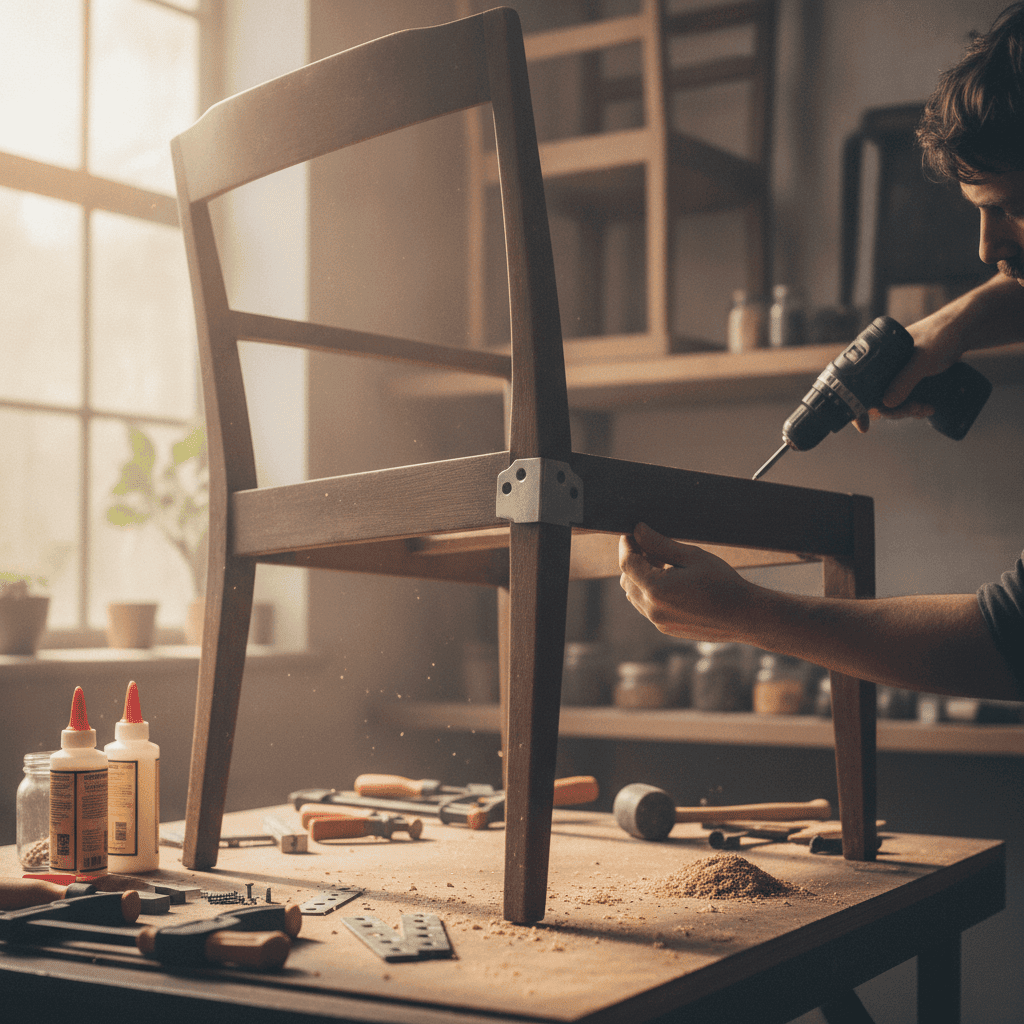
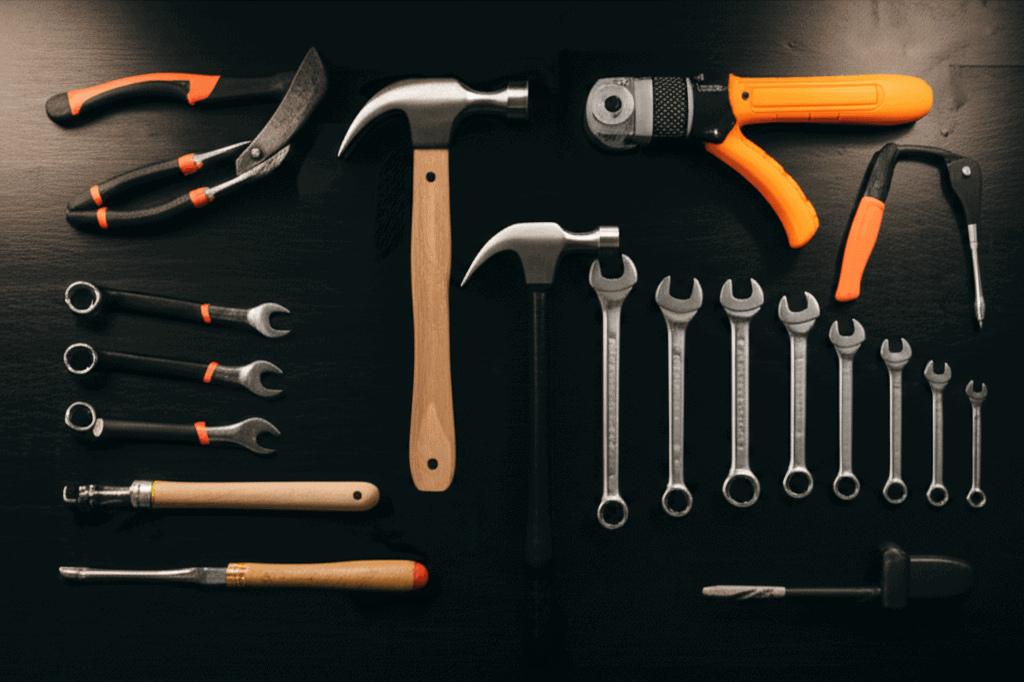
Picking the right tools shapes how a project runs from beginning to end. Good tools cut down on slip-ups, speed up work, and give a cleaner finish. Fixing a tiny home problem or handling a big weekend job, the gap between getting stuck and feeling proud often lies in the tools used. This simple fact flips a tough chore into a smooth, satisfying win. People aiming for better results with less fuss get a real edge by choosing the right gear. Discovering why proper tools matter can change the whole game.
This article covers practical ways to Improve Projects With Right Tools and gives immediately useful tips you can apply on the next job. Read on for concrete examples on tool selection, safety, maintenance, organization, and quick checks that protect your time and money.
Why tool selection matters when you Improve Projects With Right Tools
Choosing appropriate tools affects quality and workflow. A good set of screwdrivers, a reliable drill, and a handful of clamps will carry a homeowner through many tasks. Select a tool that matches project scale and frequency of use. For example a corded circular saw may be cheaper than a battery model but a battery saw will save setup time for occasional cuts around the yard.
Consider three practical criteria before buying
- Function fit Choose a tool that actually performs the job you need rather than a multipurpose item that struggles on the task.
- Durability indicators Look for solid bearings, sturdy housings, and replaceable wear parts.
- Support factors Warranty length and availability of replacement blades or batteries matter for long term value.
Match tools to project type for better outcomes
Different projects demand different tool sets. Grouping tools by task helps keep purchases targeted and prevents clutter. Below are common project types and core tools to consider.
Woodworking essentials
- Table saw or circular saw for straight cuts
- Miter saw for accurate crosscuts and angles
- Router for joinery and trim work
- Hand planes, chisels, and a block plane for fine fit and finish
Plumbing and electrical basics
- Adjustable wrench, basin wrench, and pipe cutters for plumbing
- Multimeter, wire strippers, and insulated screwdrivers for electrical
- Proper connectors and test equipment to confirm safe connections
For each area keep a small primary kit and add specialty tools as you take on more complex work. This prevents overspending on items you rarely use while giving you a core set that handles most tasks.
Quality versus price how to choose long lasting tools
Price is a useful guide but not the only factor. A mid priced tool from a reliable brand may outlast a cheap model and deliver better final results than a premium product that is the wrong fit. Look beyond label appeal to material quality and user oriented features.
- Metal and construction Metal gear housings and steel drive components survive heavy use better than plastic internals.
- Replaceable parts Tools with replaceable blades brushes and batteries extend service life and reduce total cost.
- Warranty and local service A longer warranty and a local repair option are good signals the maker stands behind the product.
When evaluating a purchase test ergonomics. If a tool feels uncomfortable during a short test it will be worse over hours of use. Grip, balance, and weight distribution all influence hand fatigue and control.
Safety and best practices for power tool use
Safe operation protects you and your work. Mistakes with power tools can cause both injury and expensive material loss. Adopt simple habits that make a big difference.
Personal protective equipment and setup
- Use proper eye protection for all cutting or grinding work
- Wear hearing protection when operating loud tools for extended periods
- Choose suitable gloves when handling sharp or rough materials but avoid gloves when working close to rotating parts where they could catch
- Secure work with clamps instead of holding it by hand whenever possible
Startup and shutdown routines
- Inspect blades and bits for damage before use
- Confirm guards are in place and functioning
- Disconnect power for blade changes and maintenance
Regularly reviewing safe practices with anyone who uses your tools reduces accidents and keeps projects on schedule.
Tool maintenance to protect investments and project quality
Routine care keeps tools working at peak performance and reduces the chance of mistakes caused by dull blades or loose fittings. A short maintenance routine after each use prevents small problems from turning into costly repairs.
- Clean dust and debris from vents and moving parts
- Lightly oil pivot points and apply grease where manual recommends
- Sharpen blades and replace bits when they show wear signs
- Store batteries at recommended charge levels and in moderate temperatures
Keep a log for high value items noting service dates blade changes and any repairs. That record helps with resale or warranty claims and guides when replacement might be more sensible than another repair.
Organizing your toolkit to save time and reduce errors
Organization speeds work and prevents errors caused by reaching for the wrong item. A consistent layout and labeling system also helps other people find what they need when they help on a job.
- Group items by task for immediate access such as measuring layout fastening and cutting
- Use modular boxes for bits blades and small parts so you can carry only the modules needed
- Label storage and keep a checklist of frequently used bits and consumables
- Designate a charging station for batteries to ensure tools are ready when needed
One practical setup is to keep fasteners and hardware sorted by size in clear containers and to maintain a small drawer for specialty items such as specific router bits or saw blades used rarely but important when required.
Accessories and small gear that help Improve Projects With Right Tools
Accessories often make a modest purchase deliver a large return by improving accuracy and finish quality. Clamps measuring devices and jigs are inexpensive compared to the mistakes they prevent.
- Quality measuring tools such as a reliable tape measure a digital caliper and a bubble level improve fit and alignment
- Clamps in a range of sizes secure parts for safer and straighter cuts
- Jigs for repeatable cuts or joinery speed up work and increase consistency
- Appropriate abrasives and finish supplies matched to the material reduce rework
Laser levels and angle finders are useful for layout and framing. For small finish tasks consider a random orbital sander with appropriate grit progression to produce smoother results with less risk of swirl marks.
Build skills as you build your toolkit
Tools matter but skill has the final say on project success. Practice basic techniques and take time to learn one new method before starting a complex job. Simple mockups and scrap pieces are inexpensive ways to rehearse cuts and joinery.
- Spend time with a single tool to understand its limits and handling
- Watch short demonstrations from reliable instructors and follow safety cues
- Join local workshops or community makerspaces to gain hands on experience under supervision
Tracking small wins and mistakes helps you plan which tools to add next. If you find yourself doing repeated precise cuts a miter saw or a jigsaw with better blade options may be the logical next purchase.
When researching tool options and reading comparisons a focused review site can save time and point you to models that fit your needs. One reliable resource to check for reviews and buying tips is the diy tool advisor website which collects real user feedback and technical details to aid sensible choices.
Putting together the right tools and techniques reduces wasted material and hours. Aim for steady progress by refining both tool selection and method with each project.
Conclusion
Choosing tools with purpose and maintaining simple habits delivers tangible improvements in project quality and workflow. Start by listing the tasks you perform most often then assemble a core set of tools that match those tasks. Invest time in safety and routine maintenance and organize your gear so it is ready when needed. Pair accessories like clamps and measuring tools with hands on practice to improve accuracy and reduce rework. When you research purchases look for warranties replaceable parts and user feedback to make practical choices.
Every project is an opportunity to sharpen both skill and the toolkit. Take small steps such as testing a new blade on scrap material or adding one storage module that keeps bits organized. Those steps compound into faster builds and better finishes. If you want detailed reviews and model comparisons visit the linked resource in this article and start planning your next purchase today. Take action now and set up a toolkit that helps you finish projects with confidence and fewer surprises.